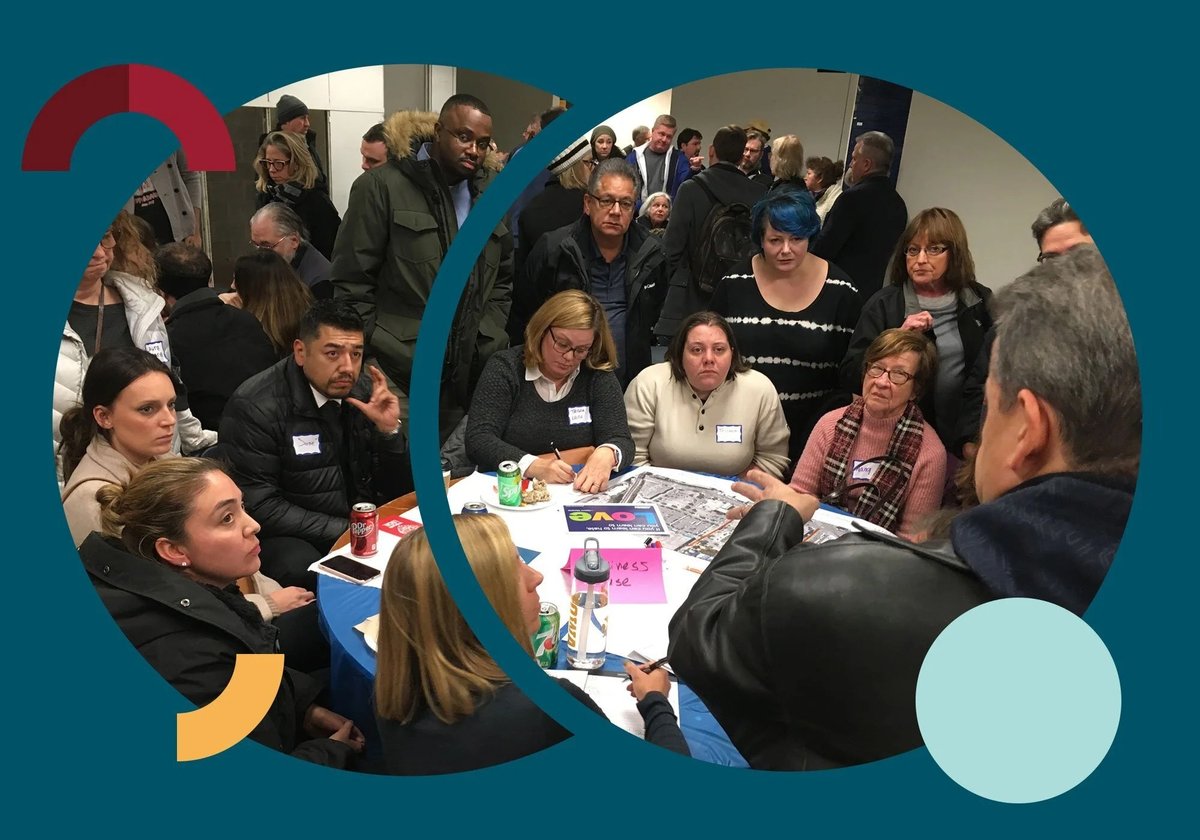
Imagine a small, neglected park in your neighborhood, overgrown and unsafe. Now imagine a few dedicated neighbors, tired of waiting for someone else to act, rolling up their sleeves and transforming it into a vibrant community hub. This isn't just a feel-good fantasy; it's the everyday reality of Community Empowerment & Grassroots Stories, where ordinary people ignite extraordinary change. These movements, born from shared passion and unwavering perseverance, demonstrate that the most profound impact often starts not with grand pronouncements from distant offices, but with local initiatives right in our own backyards.
At a Glance: What You'll Discover
- The Power of Local Action: Why change often begins at the community level.
- Six Core Principles: The foundational elements that make grassroots efforts successful.
- Inspiring Case Studies: Real-world examples of communities transforming their environments and advocating for justice.
- Beyond Immediate Wins: How grassroots efforts foster long-term resilience and unity.
- Your Path to Impact: Practical steps for getting involved and making a difference locally.
- Navigating Challenges: Tips for overcoming common hurdles in community organizing.
The Unstoppable Force of Grassroots Movements
Grassroots movements are the very heartbeat of local change. They aren't top-down mandates; they're organic, bottom-up initiatives that bubble forth from the collective will of a community. Think of a concerned parent advocating for safer school zones, a group of friends organizing a river clean-up, or neighbors uniting to address local food insecurity. These are the sparks that ignite powerful social engines, proving that passion, when coupled with perseverance, can move mountains—or at least, clear them for a community garden.
At their core, these movements are about recognizing a critical issue, often overlooked by larger institutions, and then taking direct, collaborative action to solve it. They thrive on the notion that those closest to the problem are often best equipped to devise and implement the solutions. This local ownership builds strong connections and fosters a sense of collective responsibility, tackling everything from environmental degradation to social justice and public health.
The Blueprint for Local Change: Six Core Principles in Action
What makes these seemingly small initiatives grow into formidable forces for good? It boils down to a set of interconnected principles that guide their formation and sustain their impact.
1. Collective Action & Local Engagement: The Strength in Numbers
No one person can transform a community alone. Grassroots movements understand this implicitly, building their foundations on collective action. This isn't just about showing up; it's about actively working together, pooling skills, resources, and ideas to identify and address specific community needs. Whether it's advocating for better public transport or organizing a local food drive, the power lies in shared effort and shared vision. Engagement often starts with simple conversations, spreading through word-of-mouth, and gathering momentum through initial small wins that build confidence.
2. Deep Community Involvement: Ownership from the Ground Up
True success in community empowerment hinges on community involvement. This means creating genuine spaces for dialogue, where every voice is heard, and every perspective is valued. It's about ensuring that the solutions aren't just for the community, but by the community. Workshops, town halls, neighborhood clean-ups, and fundraisers aren't just events; they're vital opportunities to foster ownership, build relationships, and forge a shared future. When people feel a sense of belonging and influence, their commitment deepens, fueling the movement's long-term vitality. Building these relationships is key for any effective local community action.
3. Authentic Local Leadership: Guiding with Shared Values
Unlike hierarchical organizations, leaders in grassroots movements often emerge organically. These aren't necessarily appointed figures, but individuals who naturally inspire, empower their peers, and facilitate connections. Local leadership reflects the shared values and aspirations of the community, making them trusted guides rather than distant authorities. They bridge gaps, mediate discussions, and champion the cause, strengthening the movement's foundations from within. Their authenticity is a powerful magnet, drawing more people into the fold.
4. The Power of Collaboration: Uniting for Innovative Solutions
Collaboration is the bedrock of grassroots innovation. Facing complex challenges, individuals and diverse groups come together, sharing resources, expertise, and perspectives to craft solutions that no single entity could achieve alone. This might mean a local food bank partnering with urban farmers, or environmental activists working alongside small businesses. Events like joint workshops and fundraisers become opportunities not just to raise funds or awareness, but to build lasting relationships and cement a unified front against shared problems.
5. Aiming for Sustainability: Lasting Change, Not Just Quick Fixes
The goal of grassroots initiatives isn't just to solve an immediate problem; it's to create sustainable change that benefits the community for the long haul. This involves planning for the future, building resilient systems, and fostering a sense of environmental stewardship and shared responsibility. Outcomes often extend far beyond initial goals—a community garden not only provides fresh produce but also becomes a gathering space, an educational tool, and a catalyst for healthier lifestyles. Many initiatives aspire to create a framework for sustainable development.
6. Adaptability and Resilience: Bending, Not Breaking
No community effort is without its hurdles. Funding challenges, bureaucratic red tape, internal disagreements, or even external resistance can threaten to derail progress. However, successful grassroots movements are inherently adaptable and resilient. They learn from setbacks, pivot strategies when necessary, and maintain a flexible approach. This resilience often comes from the strong bonds forged within the community, enabling groups to weather storms and emerge stronger, continuously seeking new ways to empower their mission.
Real-World Triumphs: Inspiring Grassroots Success Stories
The impact of community empowerment is best illustrated through the lives it touches and the places it transforms. From revitalizing urban spaces to challenging systemic injustices, these stories prove that local efforts can indeed spark global ripples.
Transforming Public Spaces: From Blight to Bloom
- Urban Farming Projects and Community Gardens: Across countless cities, residents have reclaimed neglected lots, transforming them into vibrant community gardens. These spaces do more than just provide fresh produce to food-insecure neighborhoods; they educate on sustainable practices, enhance urban aesthetics, promote biodiversity, and create natural gathering points for neighbors. Imagine a fresh salad grown just blocks from your home, thanks to collective effort!
- Neighborhood Clean-up Efforts: Simple yet profound, these initiatives restore public spaces, from parks to riverbanks, enhancing community pride and often reducing petty crime. The act of cleaning together fosters a tangible sense of shared ownership and collective responsibility.
- The Greening of Detroit: Faced with economic decline and widespread environmental challenges, Detroit residents and organizations spearheaded a massive greening effort. Through initiatives like tree plantings, community gardens, and urban farms on vacant lots, they've not only provided fresh food and improved air quality but also created jobs, reduced crime, and increased property values. It's a powerful testament to how environmental grassroots work can revitalize an entire city.
Protecting Our Planet: Environmental Initiatives
- The Surfrider Foundation: This global organization is a prime example of grassroots environmental action. Empowering local chapters to lead beach clean-up efforts, advocate for marine protection, and fight against ocean pollution, Surfrider demonstrates how decentralized local engagement can lead to cleaner coastlines, heightened public awareness, and vital habitat restoration. Their campaigns often rely on robust local volunteer opportunities.
Fighting for Fairness: Social Justice Movements
- The Black Lives Matter Movement: What began as a hashtag in 2013 quickly evolved into a powerful, decentralized grassroots movement, demanding accountability for police brutality and systemic racism. Born from local organizing and community grief, BLM amplified voices, sparked global conversations, and pushed for significant policy changes, illustrating the raw power of collective outrage channeled into focused advocacy. This movement exemplifies the drive for grassroots social justice advocacy.
- The “March for Our Lives”: Following the tragic Parkland shooting in 2018, students mobilized, forming the "March for Our Lives." This youth-led movement rapidly gained national and international attention, advocating fiercely for gun control reform. It powerfully showcases how young people, often dismissed, can become incredibly effective grassroots leaders, shaping policy discussions and galvanizing a generation.
Revitalizing Urban Landscapes: Community-Driven Urban Renewal
- The High Line (New York City): This iconic public park in Manhattan is a monument to grassroots vision and persistence. When an abandoned elevated railway track faced demolition, local residents formed "Friends of the High Line." Through relentless fundraising, public forums, and countless volunteer hours, they garnered widespread support, transforming an eyesore into a beloved public space that revitalized the surrounding neighborhood, attracted tourism, and set a new standard for urban repurposing. It's a vivid reminder of what community vision can achieve.
Beyond the Headlines: The Deeper Impact of Community Empowerment
The immediate successes of grassroots movements—a cleaner park, a new policy, fresh vegetables—are impressive. But their true power often lies in the less visible, deeper impacts they generate, fostering resilience and connection.
Building Social Cohesion and Trust
When neighbors work side-by-side, they build more than just a garden or a campaign; they build relationships. These interactions break down social isolation, foster mutual understanding, and weave a stronger social fabric. Trust among community members increases, creating a supportive network that can respond more effectively to future challenges, whether they're natural disasters or economic downturns.
Empowering Marginalized Voices
Grassroots initiatives are crucial for giving a platform to those often unheard. They allow marginalized groups to define their own problems, articulate their own solutions, and demand their rightful place at decision-making tables. This empowerment is transformative, shifting individuals from passive recipients of aid to active agents of change in their own lives and communities.
Influencing Policy and Systemic Change
While often focused on local issues, the cumulative effect of grassroots movements can profoundly influence broader policy. By demonstrating effective local solutions, collecting data, and building compelling narratives, these movements pressure larger institutions to adopt new approaches, change regulations, or reallocate resources. The success of a local recycling program, for instance, might inspire a city-wide initiative. Many of these efforts require strategic nonprofit funding strategies to sustain their advocacy.
Fostering Civic Engagement for the Long Term
Participation in a grassroots movement often serves as an entry point into broader civic engagement. Once individuals experience the power of their collective voice, they are more likely to vote, participate in public forums, and continue advocating for issues important to them. This creates a perpetually engaged citizenry, vital for a healthy democracy.
You can gain even deeper insights into the power of community action and collective narrative by checking out Explore The Helper Film, which often highlights similar themes of unity and purpose.
Overcoming Hurdles: Common Challenges and How to Navigate Them
No journey of change is entirely smooth. Grassroots movements, despite their passion, often face significant obstacles. Understanding these challenges is the first step toward overcoming them.
The Ever-Present Challenge of Funding
Many grassroots efforts rely on volunteers and limited donations. Securing consistent funding, especially when challenging established interests, can be a constant struggle.
- Strategy: Diversify funding sources. Look beyond grants to small-dollar donations, crowdfunding, local business sponsorships, and creative fundraising events. Transparency about finances builds trust and encourages support.
Combating Volunteer Burnout
Passionate individuals can quickly become exhausted by the demands of organizing. Relying too heavily on a few dedicated individuals leads to burnout, threatening the movement's longevity.
- Strategy: Distribute leadership and responsibilities widely. Create clear roles, offer training, celebrate small victories, and encourage self-care. Foster a culture where taking breaks is encouraged, not frowned upon.
Navigating Resistance from Established Entities
Local governments, large corporations, or entrenched community groups may view grassroots movements as disruptive or a threat to their power. This can manifest as bureaucratic roadblocks, lack of cooperation, or even direct opposition.
- Strategy: Build alliances. Seek common ground, educate stakeholders, and frame your requests as beneficial to the broader community. Strategic partnerships with local leaders, businesses, and even sympathetic government officials can be invaluable. Documentation and clear communication are also critical.
Sustaining Momentum Beyond the Initial Spark
The initial enthusiasm for a new cause can wane over time, especially if results aren't immediately visible. Maintaining engagement can be tough.
- Strategy: Set clear, achievable milestones and celebrate every success, no matter how small. Continuously communicate progress to volunteers and the community. Keep the vision alive through storytelling, engaging events, and regular updates. Show how incremental steps contribute to the larger goal.
Your Role in the Movement: How to Spark Change in Your Own Backyard
Feeling inspired but unsure where to begin? The beauty of grassroots movements is that they begin with a single step, often taken by someone just like you.
1. Identify a Need or Passion Point
What issue in your community stirs your passion? Is it access to healthy food, cleaner public spaces, support for seniors, or better educational opportunities? Start with what genuinely moves you. This personal connection will fuel your perseverance.
2. Connect with Others Who Care
You are not alone. Talk to your neighbors, friends, and local community groups. Attend public meetings or local events. Use social media to find like-minded individuals. Forming even a small core group is far more powerful than working in isolation. "Never doubt that a small group of thoughtful, committed citizens can change the world; indeed, it's the only thing that ever has." – Margaret Mead.
3. Start Small, Think Big
Don't wait for a grand plan. Begin with a manageable project: organize a single park clean-up, start a small petition, host an informational meeting, or volunteer for an existing cause. Small victories build confidence and demonstrate impact, attracting more participants. The goal is to build momentum incrementally.
4. Educate and Engage
Share information about the issue. Host workshops, create informative flyers, or use social media to raise awareness. Listen actively to community concerns and feedback. The more informed and engaged people are, the more likely they are to join your efforts.
5. Build Alliances and Seek Support
Reach out to local businesses, schools, churches, and other non-profit organizations. Many established groups are eager to support local initiatives. Collaborating expands your reach and resources. Don't be afraid to ask for help or mentorship.
6. Sustain the Momentum and Celebrate Progress
Community change is a marathon, not a sprint. Maintain regular communication with your group and the broader community. Celebrate every milestone, big or small. Show appreciation for volunteers. Continuously evaluate your impact and adapt your strategies as needed to ensure long-term viability.
Frequently Asked Questions About Grassroots Empowerment
Q: How is a grassroots movement different from a traditional non-profit?
A: While both aim for positive change, grassroots movements are typically more decentralized, organic, and locally initiated. They often arise directly from community members, with less formal structure initially, whereas traditional non-profits often have established boards, staff, and funding mechanisms from their inception. Grassroots efforts often become non-profits over time as they grow.
Q: Do I need special skills to get involved in a grassroots movement?
A: Absolutely not! The strength of these movements comes from diverse skills and perspectives. Whether you can organize, communicate, strategize, build, cook, create art, or simply show up to lend a hand, there's a vital role for you. Passion and willingness to learn are your most important assets.
Q: What if my community doesn't seem to care about any issues?
A: Every community has needs; sometimes they're just not widely discussed or articulated. Start by listening to conversations, observing local challenges, or reflecting on your own frustrations. Often, a single conversation can uncover a shared concern that just needs a catalyst to become a movement.
Q: How long does it take to see results from a grassroots effort?
A: It varies greatly. Some projects, like a neighborhood clean-up, yield immediate visual results. Others, like policy advocacy, can take years of sustained effort. The key is to celebrate small victories along the way and understand that every action contributes to the larger, long-term goal.
The Ripple Effect: Building Stronger, More Resilient Communities
The stories of Community Empowerment & Grassroots Stories remind us that meaningful change isn't exclusive to powerful institutions or charismatic figures. It truly can emerge from everyday places, driven by everyday people. When a few passionate individuals decide to act, fostering strong connections and collaborative efforts, they create a ripple effect that extends far beyond their initial aims.
By engaging with your local organizations, attending community meetings, and volunteering your time and skills, you're not just fixing a problem; you're actively building stronger, more resilient communities. You're fostering local leadership, promoting sustainability, and weaving a tighter social fabric. So, look around your neighborhood. What spark can you ignite today? The story of extraordinary local change is waiting for you to write its next chapter.