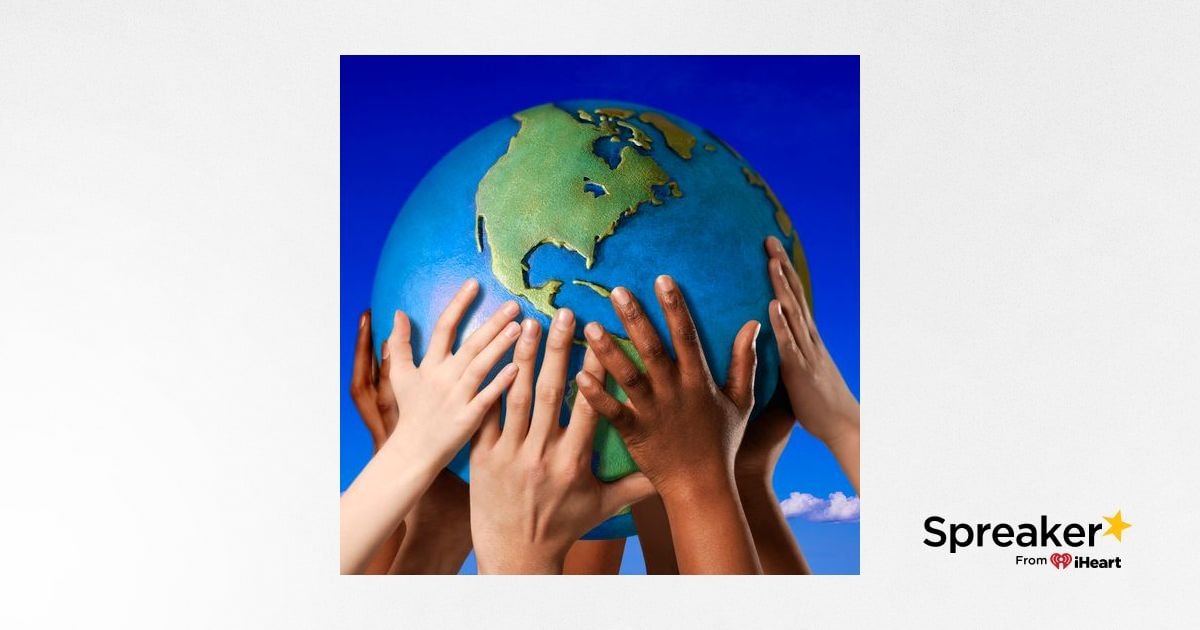
The flickering light of a screen holds immense power, capable of transporting us to new worlds, introducing us to compelling characters, and, crucially, shedding light on the most pressing challenges of our time. Among these, Environmental Advocacy Films stand out, not just as entertainment, but as vital catalysts for understanding and action. They're cinematic wake-up calls, offering both unflinching portrayals of ecological devastation and inspiring visions of a sustainable future. From the melting glaciers of the Arctic to the vibrant kelp forests of South Africa, these films translate complex scientific data and deeply personal struggles into narratives that resonate, empowering us to become guardians of our shared planet.
They ask us to witness, to question, and ultimately, to engage. Whether it's the raw emotion of a personal journey or the stark reality of scientific evidence, these films underscore a universal truth: our future is intertwined with the health of the natural world, and every action, big or small, plays a part.
At a Glance: What You'll Discover About Environmental Advocacy Films
- Understanding the Urgency: How films expose critical environmental threats like climate change, biodiversity loss, and pollution.
- Diverse Storytelling: The various cinematic approaches, from hard-hitting documentaries and personal experiments to satire and animated allegories.
- Key Issues Explored: Deep dives into topics like industrial agriculture, plastic waste, water conservation, and renewable energy.
- Inspiring Solutions: Films that offer optimistic roadmaps and practical steps for ecological restoration and sustainable living.
- From Viewer to Advocate: How these films equip you with knowledge and motivate tangible actions in your daily life and communities.
- The Power of Connection: Stories that foster a deeper appreciation for the natural world and our place within it.
Why Environmental Advocacy Films Matter: More Than Just Entertainment
In an age of information overload, it's easy to feel numb to headlines detailing environmental crises. That's where films step in, transforming abstract statistics into tangible experiences. They don't just tell us about climate change; they show us melting glaciers, rising sea levels, and the human faces behind the statistics. They don't just talk about plastic pollution; they plunge us into oceans choked with waste, revealing the horrifying impact on marine life. This visual and emotional connection is often the spark that ignites awareness and propels individuals towards advocacy.
These films serve as modern-day parables, educating and challenging viewers to look beyond their immediate horizons. They bridge the gap between scientific consensus and public understanding, making complex ecological systems and their vulnerabilities accessible to a broad audience. Moreover, they often highlight the systemic issues and corporate interests that perpetuate environmental harm, urging viewers to consider not just individual actions, but also the broader political and economic forces at play. They are, in essence, invitations to join a global conversation and become active participants in shaping a more sustainable future.
A Spectrum of Environmental Storytelling: From Urgent Warnings to Hopeful Horizons
Environmental advocacy cinema is a vast and varied landscape, reflecting the multifaceted nature of the issues it tackles. From grim predictions to inspiring solutions, and from deeply personal journeys to sweeping global narratives, these films employ a range of techniques to engage and inform.
Documenting the Crisis: Unflinching Truths
Many films take on the crucial role of scientific documentation, presenting undeniable evidence of environmental degradation. They lay bare the consequences of human activity, often relying on the expertise of scientists, researchers, and dedicated activists.
Climate Change Evidenced: Seeing the Unseen Impacts
The abstract concept of global warming becomes terrifyingly real through the lens of these films. An Inconvenient Truth (2006) famously brought Al Gore's climate campaign to the masses, using graphs, animations, and personal anecdotes to illustrate the causes and effects of human-induced climate change, stressing that solutions are within reach. Years later, Chasing Ice (2012) followed photographer James Balog as he deployed time-lapse cameras to capture startling visual proof of rapidly melting glaciers, offering irrefutable evidence.
Leonardo DiCaprio's Before the Flood (2016) took viewers on a global journey, witnessing the impact of deforestation and rising sea levels firsthand, culminating in a powerful call for world leaders to champion a sustainable future. Similarly, The Human Element (2019), centered on Balog, highlighted how our "fifth element" – human activity – is altering the traditional four, linking global warming to increasing wildfires and hurricanes. These films don't just report; they compel us to see the world differently.
Biodiversity in Peril: The Vanishing Web of Life
The sheer scale of species extinction is a daunting concept, yet films like David Attenborough's A Life on Our Planet (2020) and Extinction: The Facts (2020) bring it into sharp focus. Attenborough's "witness statement" chronicles the decline of biodiversity throughout his lifetime, painting a stark picture of a world losing its natural richness. However, both films pivot to offer clear solutions: regulating fishing, curbing pesticide use, reducing food waste, and advocating for environmental food labels.
Racing Extinction (2015) takes a more activist approach, exposing the man-made causes of mass extinction, particularly focusing on illegal animal poaching and trafficking, like the devastating trade in shark fins and manta ray gill plates. It's a high-stakes investigation that shines a light on specific species at the brink, demanding urgent intervention. The abuse of primates in tourism and orangutan-smuggling syndicates are powerfully documented in Aaron Gekoski's Eyes of the Orangutan (2021), questioning the complicity of tourists in this wildlife exploitation.
Pollution's Scourge: Our Waste, Our World
The pervasive issue of pollution, often invisible or ignored in our daily lives, is starkly revealed in these documentaries. A Plastic Ocean (2016) shows the global extent of plastic pollution, its devastating impact on marine ecosystems, and explores potential solutions to reverse the crisis. It's a visceral look at how our convenience culture has created an ecological catastrophe.
Similarly, RiverBlue (2017) tracks Canadian conservationist Mark Angelo as he uncovers the irreversible damage inflicted on water supplies by the global fashion industry's use of toxic chemicals. This film urges a critical reevaluation of fast fashion and our consumption habits. And then there's Seaspiracy (2021), which dives deep into the environmental impact of fishing, ocean pollution, and the corporate agendas fueling these issues, advocating for an end to fish consumption for marine conservation. The shocking revelations in these films compel us to reassess our purchasing power and its hidden costs.
Industrial Impact: The Hidden Costs of Modern Consumption
Our modern lifestyles are fueled by vast industrial systems, many of which carry a heavy environmental price tag. Cowspiracy: The Sustainability Secret (2014) courageously dissects the catastrophic impacts of animal agriculture, identifying it as a major contributor to deforestation, water pollution, topsoil erosion, and greenhouse gas emissions. It also famously probes why leading environmental organizations often shy away from addressing this issue head-on.
Food Inc. (2008) exposes the darker side of the fast-food model, revealing how harmful corporate farming and agribusiness practices degrade both human health and the planet. It pulls back the curtain on industrial meat, grain, and vegetable production, highlighting the manipulative power of corporations and urging consumers to make more environmentally conscious eating choices. And Patagonia's Artifishal (2019) zeroes in on the impacts of overfishing, particularly on wild salmon in North America, exposing how aquaculture farms and fish hatcheries, driven by an "obsessive taste for seafood," erode ecological diversity. These films make it clear that what we eat, wear, and consume has profound ecological ramifications.
Human Stories, Global Impact: The Personal & the Political
Sometimes, the most powerful way to convey a global crisis is through a deeply personal lens. These films invite us into individual struggles, experiments, and connections, making the immense challenges feel relatable and actionable.
Individual Action & Experimentation: Changing Lives, Changing the World
Colin Beavan's year-long experiment in No Impact Man (2009) to radically reduce his carbon footprint offers a relatable, often humorous, look at how individual lifestyle choices impact the planet. It invites viewers to question their own habits without judgment. Likewise, Just Eat it! A Food Waste Story (2019) sees a Canadian couple survive exclusively on food waste for six months, exposing society’s "systematic obsession with expiry dates, perfect produce, and portion sizes" and encouraging audiences to re-examine their relationship with food. These personal journeys demonstrate that change is possible, starting at home. You can discover sustainable living tips by watching how others navigate this journey.
Grassroots Battles: Standing Up to Giants
The true story behind Erin Brockovich (2000) shows the immense power of one determined individual to take on a polluting corporation. It's a gripping legal drama about protecting a small town's water supply, highlighting environmental injustice and the courage required to fight for community health against powerful interests. It reminds us that environmental advocacy isn't always about grand gestures; sometimes it's about fighting for basic human rights.
Deepening Our Connection to Nature: Finding Empathy in the Wild
Not all environmental advocacy films are about problems; some are about fostering a profound connection to the natural world itself. My Octopus Teacher (2020) is a beautiful example, capturing filmmaker Craig Foster's unique friendship with a wild common octopus in a South African kelp forest. It's a meditative film that reflects on the encounter's transformative impact on his life and his bond with nature, inspiring a sense of wonder and stewardship.
Similarly, Sir David Attenborough's Our Planet (2019) Netflix series is a breathtaking love letter to nature, showcasing the planet's incredible wildlife while subtly, yet powerfully, illustrating how human activity impacts these delicate ecosystems. These films remind us that protection often stems from appreciation and love.
Imagining Solutions: Blueprints for a Better Future
While many films expertly diagnose the problems, others shine a light on the path forward, presenting existing solutions and inspiring hope for a regenerative future. These narratives are crucial for preventing despair and mobilizing action.
Technological Optimism: Innovation Leading the Way
Damon Gameau's 2040 (2019) stands out as a refreshingly optimistic, solution-oriented documentary. It imagines a future where existing technological breakthroughs—like rooftop solar, regenerative agriculture, and versatile seaweed uses for food security—have been scaled up to reverse climate change. It's a powerful counter-narrative to doom-and-gloom, showcasing a positive vision supported by experts.
Catching the Sun (2015) tackles the business of renewable energy, following unemployed workers training for green-collar jobs in solar installation. It debunks the myth that renewable energy means sacrificing economic prosperity, vividly demonstrating how these solutions are becoming more affordable and creating new employment opportunities. Both films offer a tangible sense of what a sustainable future could look like, showing us that explore the future of renewable energy is not only possible but beneficial.
Restorative Agriculture: Working With Nature
The concept of working with nature, rather than against it, is beautifully illustrated in The Biggest Little Farm (2018). This documentary follows a couple as they transform barren land into a thriving, biodiverse farm. It's a powerful lesson in how patience, understanding ecological principles, and fostering soil health can restore ecosystems and yield abundance. It showcases a practical, hands-on approach to healing the land.
Reclaiming Biodiversity: Rebuilding a Healthier Planet
As mentioned earlier, films like A Life on Our Planet and Extinction: The Facts not only highlight biodiversity loss but also lay out concrete steps for its restoration. From managing demand for agricultural land by cutting food waste to regulating fishing and reducing pesticide use, these films provide clear, actionable insights into how we can heal ecosystems and bring species back from the brink. They remind us that nature is resilient, given a chance.
Beyond Documentary: Fiction's Power to Warn and Reflect
While documentaries directly confront reality, fictional films can often convey environmental messages with equal, if not greater, impact through metaphor, satire, and speculative storytelling.
Satirical Critiques: Laughing (Uncomfortably) at Ourselves
Don’t Look Up (2021) is a brilliant, albeit harsh, satirical dark comedy that uses the metaphor of a planet-destroying comet to critique climate inaction. It highlights how global leaders and society often respond to existential environmental crises with denial, distraction, and dysfunction. It's an uncomfortable watch, precisely because it mirrors our own collective failures with such brutal honesty.
Apocalyptic Warnings: What Could Go Wrong
Disaster films, while often sensationalized, tap into our anxieties about environmental catastrophe. The Day After Tomorrow (2004), a fictional action movie, loosely based on climate-induced disruption of ocean circulation, triggers global cooling and a new ice age. While scientifically debated, it powerfully conveys the message that human pursuits are transforming the climate, potentially leading to unforeseen peril. Similarly, The Day the Earth Stood Still (2008) features an alien visitor who comes to Earth to stop humanity from destroying the planet, serving as a blunt warning that Earth does not belong solely to humans, and ignoring nature's signals will have severe consequences.
Timeless Allegories: Nature vs. Industry Through Fantasy
Studio Ghibli's animated masterpiece, Princess Mononoke (1997), set in medieval Japan, is a stunning and nuanced portrayal of the struggle between industrial expansion and the spirits of the forest. It doesn't offer easy answers, instead exploring the complexities and moral ambiguities of human development clashing with the natural world. Its timeless environmental themes resonate deeply, proving that animated fantasy can be just as potent as any documentary. This kind of storytelling, blending art and advocacy, can be further explored by those who Explore The Helper Film.
Common Threads and Core Messages: What These Films Are Telling Us
Despite their diverse narratives and styles, environmental advocacy films consistently deliver several key messages that form the bedrock of ecological understanding and action.
The Interconnectedness of All Things
A recurring theme is the intricate web of life. My Octopus Teacher illustrates the deep connection between one man and a single creature, while Our Planet showcases the delicate balance of entire ecosystems. Films like Cowspiracy and Food Inc. demonstrate how industrial practices in one sector (agriculture) cascade into issues like deforestation, water pollution, and public health crises. It’s a powerful reminder that there are no isolated environmental problems; everything is connected, and a disturbance in one area can ripple globally.
Human Impact: The "Fifth Element"
James Balog's concept, central to The Human Element, powerfully encapsulates our role. These films repeatedly show that human activity—our consumption habits, industrial practices, energy choices, and population growth—is the primary driver of environmental change, often with destructive consequences. From plastic oceans to vanishing species, the evidence points to us. This isn't about guilt, but about acknowledging our unprecedented power to alter the planet, and thus, our responsibility to change course.
The Power of Individual and Collective Action
While the scale of environmental challenges can feel overwhelming, many films offer hope by highlighting the impact of individual choices and collective movements. No Impact Man and Just Eat it! provide personal roadmaps, while Erin Brockovich showcases the transformative power of grassroots activism. Solutions-oriented films like 2040 and Catching the Sun inspire us by illustrating that existing technologies and collaborative efforts can indeed create a better future. It’s about understanding that our everyday decisions, when multiplied by millions, create significant change.
Critique of Corporate and Political Inaction
A significant number of these films, particularly Cowspiracy, Seaspiracy, Food Inc., and Don’t Look Up, don't shy away from critiquing the systemic barriers to environmental progress. They expose how corporate interests, political inertia, denial, and a focus on short-term economic gains often obstruct meaningful action. This critique isn't just about assigning blame; it's about identifying the levers of power that need to be shifted for large-scale change to occur.
From Screen to Action: How to Be a Part of the Solution
Watching an environmental advocacy film can be a profound experience, but the true impact comes when that inspiration translates into action. Here's how you can move from spectator to participant:
Educate Yourself and Others
- Dive Deeper: Don't let the learning stop when the credits roll. Research the issues presented in the films. Organizations like the IPCC for climate change, or local conservation groups, offer deeper insights.
- Share the Knowledge: Host a screening party for friends and family. Share articles, documentaries, and insights on social media. Start conversations. The more people who understand the urgency, the greater the collective will for change.
- Support Environmental Journalism: Credible, in-depth reporting is essential. Seek out and support news outlets and journalists dedicated to environmental issues.
Rethink Your Consumption
- Food Choices: Inspired by Cowspiracy or Food Inc.? Consider reducing meat and dairy consumption, opting for plant-based meals more often. Support local, organic, and regenerative farms, as highlighted in The Biggest Little Farm. Reduce food waste, taking cues from Just Eat it! A Food Waste Story, by planning meals, understanding expiry dates, and composting.
- Fast Fashion: RiverBlue reveals the ecological cost of cheap clothing. Choose quality over quantity, repair clothes, buy second-hand, and support brands with transparent and sustainable practices.
- Plastic Use: Following A Plastic Ocean and its insights, commit to reducing single-use plastics. Carry reusable bags, water bottles, and coffee cups. Support local initiatives to ban plastic bags and straws. There are many ways to learn about solutions to plastic pollution.
Support Sustainable Practices
- Renewable Energy: If inspired by Catching the Sun or 2040, explore options for solar panels on your home or supporting community solar projects. Switch to a green energy provider if available in your area.
- Eco-Conscious Businesses: Seek out and support companies that prioritize sustainability, ethical sourcing, and minimize their environmental footprint. Look for certifications that verify their claims.
Advocate for Policy Change
- Vote Green: Support political leaders who prioritize environmental protection, climate action, and sustainable policies.
- Contact Representatives: Write to your elected officials about issues that matter to you, whether it's plastic bans, clean energy legislation, or protecting local ecosystems. Your voice, combined with others, can influence policy, as seen in the spirit of Erin Brockovich.
- Join a Movement: Connect with environmental organizations, local activist groups, or online communities working on issues you care about. Collective action is powerful.
Engage with Nature
- Spend Time Outdoors: As My Octopus Teacher and Our Planet illustrate, fostering a personal connection with nature builds empathy and a stronger desire to protect it. Hike, swim, garden, or simply observe local wildlife.
- Volunteer: Contribute to local conservation efforts, clean-up drives, or habitat restoration projects. Hands-on involvement deepens understanding and strengthens commitment.
Addressing Misconceptions: Separating Fact from Fiction (and Satire)
The sheer scale of environmental challenges can foster a sense of hopelessness or lead to common misunderstandings. Addressing these directly can empower more people to act.
"It's too late for solutions; we're past the point of no return."
This is a pervasive, and dangerous, misconception. While the challenges are immense, films like 2040 actively push back against this narrative by showcasing existing, scalable solutions that, if widely adopted, could reverse many negative trends. Catching the Sun highlights the rapid growth and increasing affordability of renewable energy. David Attenborough's later films, like A Life on Our Planet, always pivot from describing the problem to outlining clear, actionable steps for restoration. It's never too late to make a difference, and many environmental systems are remarkably resilient if given the chance.
"Environmental action requires sacrificing economic prosperity."
This argument often surfaces when discussing transitions to green economies. However, films like Catching the Sun directly challenge this by showing how renewable energy creates new jobs ("green-collar jobs") and fosters economic growth. Investing in sustainable infrastructure, clean technologies, and ecological restoration can stimulate economies, create new industries, and improve public health, ultimately leading to greater long-term prosperity. The initial investment might be significant, but the long-term returns, both economic and environmental, are far greater than the costs of inaction.
"One person can't make a difference; the problem is too big."
While systemic change is crucial, the idea that individual actions are futile is a form of disempowerment. No Impact Man directly refutes this by showing the profound impact of one family's year-long experiment. Erin Brockovich proves the power of one individual's tenacity to challenge corporate giants. Moreover, individual actions, when aggregated, create powerful market signals that drive corporate behavior and policy changes. Your choices influence others, create demand for sustainable products, and contribute to a cultural shift towards environmental responsibility. Every action, no matter how small, adds up.
The Future of Environmental Storytelling: Beyond the Big Screen
The landscape of environmental advocacy is constantly evolving, and so too is the way these stories are told.
The Role of Streaming Platforms
Netflix, Amazon Prime, Hulu, and other streaming services have become powerful distributors for environmental films, making them accessible to a global audience. This widespread availability means that films like My Octopus Teacher, Our Planet, Seaspiracy, and Chasing Coral can reach millions, sparking conversations in homes worldwide. This trend is likely to continue, making environmental education more democratic and impactful.
Immersive Experiences: VR and AR
Imagine not just watching a coral reef die, but being inside the coral reef as it succumbs to bleaching. Virtual Reality (VR) and Augmented Reality (AR) offer unprecedented opportunities for immersive environmental storytelling, allowing viewers to "experience" climate change impacts or witness the beauty of endangered ecosystems firsthand. This heightened sense of presence can create even deeper empathy and a stronger call to action.
Community Screenings and Discussions
The power of these films extends beyond individual viewing. Community screenings, often followed by panel discussions with local experts or activists, create forums for dialogue, question-answering, and direct action planning. These events build community, foster collective responsibility, and translate cinematic inspiration into real-world initiatives.
Your Role in the Story: Taking the Next Step
The diverse array of Environmental Advocacy Films available today offers a powerful lens through which to understand our planet's challenges and discover its potential for healing. They are not merely films; they are manifestos, pleas, and blueprints for a better future. Each one provides an opportunity to reflect on our own place in the natural world and consider the legacy we wish to leave.
By engaging with these stories, you're not just a viewer; you're becoming part of a larger movement. Whether you choose to reduce your personal footprint, advocate for policy change, support sustainable businesses, or simply share what you've learned, your actions contribute to the collective effort. The urgent issues highlighted by these films demand our attention, but they also empower us with solutions. The story of our planet's future is still being written, and through informed action, you can help ensure it has a hopeful ending.