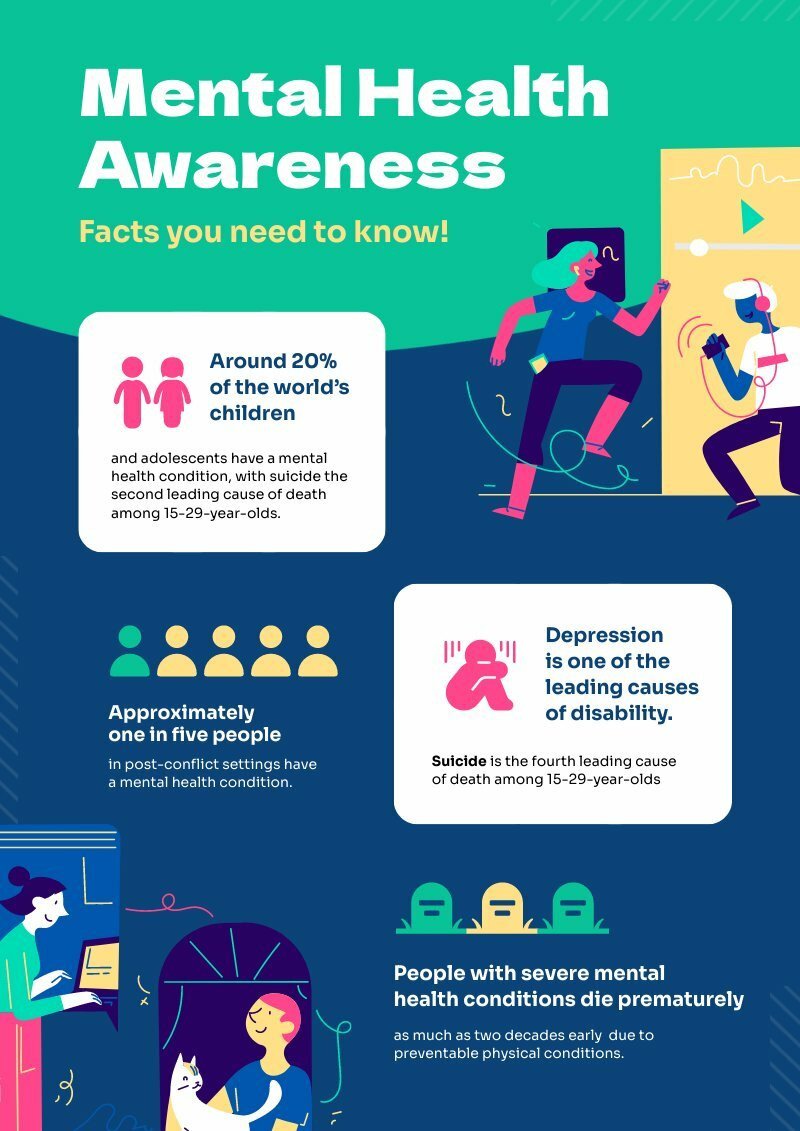
For decades, cinema has been our looking glass into the human experience, sometimes offering solace, other times sparking profound revelation. But when it comes to mental health, the silver screen's role has evolved dramatically. Once a space for caricature and dramatic oversimplification, Mental Health & Public Awareness Cinema is now transforming views through increasingly accurate, sensitive, and profoundly human portrayals. These films do more than entertain; they foster empathy, normalize crucial conversations, chip away at pervasive stigma, and often, inspire individuals to seek the support they need.
In an age where mental well-being is increasingly recognized as a cornerstone of overall health, filmmakers are stepping up. They're telling stories that move beyond the surface, delving into the intricate landscapes of the mind with a nuance rarely seen before. This shift isn't just about good storytelling; it's about initiating a cultural dialogue, connecting with audiences on a deeply emotional level, and ultimately, building a more understanding and compassionate world.
At a Glance: Why Mental Health Cinema Matters
- Breaks Down Stigma: Films normalize discussions around mental health, making it less taboo.
- Fosters Empathy: Viewers gain insight into lived experiences, understanding challenges from another's perspective.
- Inspires Help-Seeking: Accurate portrayals can encourage individuals to recognize their own struggles and seek professional support.
- Educates Audiences: Cinema can illustrate the complexities of various conditions and the realities of treatment.
- Drives Industry Change: Growing demand for authenticity pushes creators to prioritize accuracy and responsible storytelling.
- Psychologist Collaboration: Experts are increasingly involved in production, ensuring scientific rigor and ethical representation.
The Power of the Screen: Moving Beyond Stereotypes
For a long time, mental illness in film was a shorthand for villainy, madness, or a tragic plot device. Characters were often depicted as unstable, violent, or simply "crazy," perpetuating harmful stereotypes that fueled fear and misunderstanding. Think of the asylum patient as a horror trope or the tortured genius whose brilliance excused their erratic behavior. These portrayals, while sometimes entertaining, did little to reflect the lived realities of millions.
However, a new wave of filmmaking has emerged, one that recognizes the profound responsibility—and opportunity—of depicting mental health honestly. These productions understand that a compelling narrative doesn't need to sacrifice accuracy for drama. Instead, they find the drama in the accuracy, exploring the internal battles, the societal pressures, and the paths to recovery with a sensitivity that resonates deeply. This evolution is vital, transforming mental health from a whispered secret into a topic worthy of open, compassionate discussion.
A Thematic Journey: Landmark Films That Shaped Understanding
Modern mental health cinema covers a vast spectrum of experiences, shedding light on specific conditions with remarkable depth. These films provide windows into worlds many might not otherwise comprehend, challenging preconceived notions and fostering a shared sense of humanity.
Depression & Anxiety: Unpacking the Invisible Burdens
Depression and anxiety are among the most common mental health conditions, yet their internal nature often makes them difficult for outsiders to grasp. Films have played a crucial role in bringing these experiences to light, showcasing their diverse manifestations and impacts.
- Silver Linings Playbook (2012): This film offers a raw, yet often humorous, look at bipolar disorder through the eyes of Pat Solitano Jr., brilliantly illustrating the unpredictable swings of mania and depression, alongside the challenges of reintegrating into society post-treatment. It highlights the importance of family support and finding purpose, even amidst chaos.
- The Perks of Being a Wallflower (2012): A poignant coming-of-age story, this film gently explores the long-term effects of PTSD, anxiety, and depression on teenagers, emphasizing the power of friendship and finding your "people" while navigating past traumas. It handles sensitive topics with grace and authenticity.
- Inside Out (2015): Though an animated children's film, Inside Out is a masterful exploration of emotional intelligence. It personifies core emotions—Joy, Sadness, Anger, Fear, and Disgust—showing how they all play vital roles in our well-being and how suppressing "negative" emotions can be detrimental. It's a foundational lesson for all ages in understanding and processing feelings.
- Little Miss Sunshine (2006): Using dark comedy, this film subtly explores depression and suicidal ideation within a dysfunctional family road trip. Each character grapples with their own form of struggle, providing a poignant commentary on the pressures of modern life and the importance of resilience, often found in unexpected places.
Schizophrenia & Psychosis: Piercing Through Misconceptions
Historically, conditions like schizophrenia and psychosis were heavily stigmatized, often portrayed as manifestations of an unstable or dangerous mind. Contemporary cinema has worked to dismantle these myths, presenting these complex disorders with greater accuracy and humanity.
- A Beautiful Mind (2001): Based on the true story of Nobel laureate John Nash, this film powerfully depicts his lifelong battle with paranoid schizophrenia. It illustrates the profound impact of delusions and hallucinations, but crucially, also showcases incredible human resilience, the importance of love, and the ongoing journey of managing a chronic condition.
- Black Swan (2010): A psychological thriller, this film plunges into the terrifying world of psychosis and obsession as a ballerina strives for perfection. It viscerally portrays the blurring of reality and delusion, offering a look into the intense internal pressure that can lead to a break with reality.
- The Soloist (2009): A true story that connects schizophrenia with homelessness, this film follows journalist Steve Lopez as he befriends Nathaniel Ayers, a gifted musician living on the streets of Los Angeles. It humanizes the experience of mental illness intertwined with social issues, highlighting the systemic challenges and the profound impact of human connection.
- Donnie Darko (2001): This cult classic blurs the lines between reality, delusion, and the supernatural, prompting viewers to consider the nature of mental illness and perception. While fantastical, it offers a compelling, if abstract, exploration of a young man grappling with what may be psychosis, challenging conventional interpretations.
Eating Disorders & Body Image: A Raw Look at Internal Struggles
Eating disorders are severe and often life-threatening mental health conditions that manipulate one's relationship with food and body image. Films exploring these topics offer a vital, if sometimes difficult, look at the immense suffering involved.
- To the Bone (2017): This film provides a raw and unflinching look at anorexia nervosa through the eyes of a young woman undergoing experimental treatment. It dives into the psychological complexities of the disorder, the struggles of recovery, and the often-misunderstood nature of severe eating disorders, sparking necessary conversations.
- The Machinist (2004): While primarily focused on insomnia, this film starkly examines how extreme sleep deprivation and self-starvation can distort reality, leading to a profound psychological breakdown. It's a grueling portrayal of the body and mind pushed to their limits, offering insight into obsessive self-punishment.
- Girl, Interrupted (1999): Set in a psychiatric hospital in the 1960s, this film portrays diverse mental health issues among its patients, including those with eating disorders. It offers a glimpse into the complexities of institutional care and the bonds formed between individuals grappling with various diagnoses, emphasizing the multifaceted nature of mental health challenges.
Addiction & Substance Abuse: Exploring the Cycle of Dependence and Recovery
Addiction is a complex disease that impacts millions, often misunderstood as a moral failing rather than a public health crisis. Cinema has tackled this issue with increasing honesty, showing the devastating ripple effects on individuals and families, as well as the arduous path to recovery.
- Requiem for a Dream (2000): This film offers an intensely raw and unflinching depiction of drug addiction, illustrating its destructive power on multiple lives. It's a harrowing, visceral experience that leaves a lasting impression on viewers about the perils of substance abuse.
- 28 Days (2000): Portraying alcoholism and the initial stages of recovery, this film follows a party girl forced into rehab. It navigates the challenges of confronting addiction, the camaraderie found in recovery groups, and the difficult, often humorous, journey towards sobriety.
- Beautiful Boy (2018): Based on a true story, this film focuses on the devastating ripple effect of addiction on families, specifically the relationship between a father and his son battling methamphetamine addiction. It's a heart-wrenching portrayal of the cycles of relapse, hope, and unwavering love amidst the chaos of substance abuse.
- Trainspotting (1996): This cult classic offers a brutally honest, darkly comedic, and often shocking view of heroin addiction in 1990s Edinburgh. It doesn't shy away from the squalor, despair, or occasional euphoria associated with addiction, presenting a complex picture that challenged audience perceptions at the time.
The Invisible Architects: Psychologists in Hollywood's Writers' Rooms
Beyond the compelling performances and directorial vision, a quiet revolution is happening behind the scenes: the increasing involvement of psychologists and mental health experts in the entertainment industry. This collaboration is proving invaluable, elevating narratives, ensuring authenticity, and ultimately, contributing to collective mental well-being. It’s a strategic business imperative, too, as content shapes societal norms and audience demand for accurate representation grows.
Psychologists consult across film, TV, theater, music, and gaming, lending their expertise to enhance portrayals of mental health conditions, treatment, and recovery. This vital input helps to:
- Refine character and plot development, making them more authentic.
- Reduce stigma by correcting misconceptions.
- Inform viewers about effective coping mechanisms and help-seeking strategies.
Concrete Examples of Impact: When Expertise Meets Entertainment
The influence of mental health professionals can be seen in numerous high-profile projects, demonstrating tangible benefits:
- 13 Reasons Why (Netflix, 2017-2020): Dr. Helen Hsu's consultation was critical in guiding the portrayal of suicide's long-term impacts, safe sex discussions, and the intense pressures faced by school counselors. This show, despite its controversies, was linked to an increase in crisis line calls and prompted vital parent-child discussions about mental health.
- Wolf Pack (Paramount+): Psychologists introduced specific coping mechanisms, such as "Lion's breath" exercises, into the storyline. Notably, 75% of viewers reported learning these techniques, demonstrating the direct educational impact of integrating expert advice.
- The Chi (Showtime): Dr. Alfiee Breland-Noble advised on a pivotal support group scene for Black men. Her input led to the creation of a Black Youth Mental Health Toolkit and resulted in 91% of viewers gaining new help-seeking strategies, highlighting the power of culturally competent consultation.
- Daniel Tiger’s Neighborhood: Dr. Kathy Hirsh-Pasek played a key role in developing this beloved children's show. It teaches preschoolers emotional regulation and problem-solving skills, with studies showing increased effectiveness and grit in child viewers, proving that mental health education can start incredibly early.
These collaborations underscore a fundamental truth: when creators prioritize accuracy, the resulting stories resonate more deeply and have a greater potential for positive societal impact. To truly drive change, particularly through narratives that aim to help and inform, it's essential to seek out and incorporate expert guidance. Explore The Helper Film as an example of how cinema can serve as a powerful catalyst for good, demonstrating a commitment to impactful storytelling.
The Current Landscape: Challenges and Gaps in Portrayal
Despite progress, significant challenges persist in the accurate portrayal of mental health conditions in entertainment. The data reveals a stark reality:
- Underrepresentation: Only 2% of 3,815 characters in the top 100 films from 2023 were depicted as experiencing a mental health condition. This statistic dramatically fails to reflect the diversity of the general population, where mental health challenges are far more prevalent.
- Violence Linkage: A staggering 72% of film characters with mental health conditions in 2022 were depicted as violent perpetrators. This portrayal directly contradicts psychological research, which consistently shows that individuals with mental illness are far more likely to be victims of violence than perpetrators. This perpetuates a harmful and false stereotype.
- Lack of Treatment: Films often normalize dehumanizing language related to mental health and, crucially, rarely show characters seeking or benefiting from mental health treatment. This omission misses a crucial opportunity to model help-seeking behavior and demystify therapy.
More Than Just Script Notes: Diverse Roles for Mental Health Experts
The ways psychologists contribute to entertainment are incredibly varied, extending far beyond simply reviewing scripts:
- Script Review and Development: Providing feedback on dialogue, character arcs, and plot points to ensure accuracy and avoid stereotypes.
- Post-Production Consultation: Advising on editing, sound design, and visual elements to create an authentic emotional impact.
- Marketing and PR: Helping craft messaging that promotes the project responsibly and sensitively, avoiding triggering language.
- Strategic Partnerships: Collaborating with organizations like the APA’s Science Directorate and the Science and Entertainment Exchange to bridge the gap between science and storytelling.
- Co-authoring Guides: Creating educational resources, such as The Healing Guide: Inspired by the Color Purple by Dr. Ariana Hoet and Dr. Erlanger Turner, to deepen audience engagement and understanding.
- On-Camera Expert Commentary: Appearing in documentaries or news segments related to mental health topics in entertainment.
- Live Theater and Reality TV Consulting: Applying psychological principles to enhance character development and manage audience impact in diverse media formats.
- Developing Educational Content: Creating podcasts, YouTube channels, and other platforms to share psychological insights directly with the public, often inspired by or referencing popular media.
Breaking into the Biz: Advice for Aspiring Consultant Psychologists
For psychologists looking to lend their expertise to the entertainment industry, the path requires a blend of specialized knowledge, adaptability, and proactive engagement:
- Develop a Niche/Expertise: Possess deep, specialized knowledge in a specific area (e.g., trauma, addiction, adolescent psychology). This makes you a go-to authority.
- Simplify Communication: The entertainment industry moves fast. Avoid psychological jargon, speak in clear, concise language, and be prepared to adapt to tight timelines.
- Ensure Visibility: Make yourself discoverable. List your contact information in professional databases (like APA’s Media Referral Service), maintain a professional website, and engage strategically on social media.
- Network Actively: Attend industry events, make connections, and leverage existing relationships. Often, opportunities arise through word-of-mouth.
- Be Prepared to Start Small: Build your reputation and experience from the ground up. Small projects can lead to bigger opportunities.
- Maintain Integrity: Never compromise your ethical standards or scientific accuracy for commercial reasons. Your credibility is your most valuable asset.
- Know When to Compromise: The goal is often improved portrayal, not necessarily perfectly accurate depiction. Prioritize feedback on major issues over minor ones to maintain working relationships and foster collaboration.
When Art Gets It Wrong: The Pitfalls of Misrepresentation
While the landscape is shifting towards more responsible portrayals, not all mental health cinema hits the mark. Criticism often arises when films:
- Oversimplify complex conditions: Reducing a nuanced disorder to a single symptom or quirk.
- Romanticize mental illness: Presenting suffering as beautiful, artistic, or a source of unique insight, often ignoring the very real pain and dysfunction it causes.
- Use conditions merely as plot devices: Exploiting mental illness for shock value, a twist ending, or to drive a character's irrational behavior, without delving into its true impact or offering pathways to understanding.
These missteps, even if unintentional, can reinforce stigma, create false expectations about recovery, or discourage individuals from seeking help. The evolving landscape demands that filmmakers continually prioritize accuracy, sensitivity, and nuanced representation, understanding that their work has real-world consequences.
A Call to Action: Engaging Critically, Advocating for Change
Watching films about mental health is more than just passive entertainment; it's an opportunity for growth, understanding, and even advocacy. As viewers, we have a role to play in fostering a culture where mental health is valued equally with physical health.
- Engage Critically: Don't just watch; think about what you're seeing. Does the portrayal feel authentic? Does it challenge or reinforce stereotypes? Discuss these points with friends, family, or online communities.
- Seek Reputable Information: If a film sparks questions or concerns about a particular condition, turn to trusted sources like the National Alliance on Mental Illness (NAMI), the American Psychological Association (APA), or the Mental Health America (MHA) for accurate information.
- Share Positive Examples: When you encounter a film that genuinely gets it right, talk about it, recommend it, and support the creators. This signals to the industry that audiences value responsible storytelling.
- Support Mental Health Advocacy: Use your increased awareness to support organizations working to improve mental health care, reduce stigma, and promote education.
- Know When to Seek Help: If a film's depiction of a mental health struggle resonates deeply with your own experiences, or those of a loved one, consider it a sign to reach out to a mental health professional. These films can be powerful catalysts for self-reflection and help-seeking.
Moving Forward: The Future of Mental Health Cinema
The journey of Mental Health & Public Awareness Cinema is ongoing. The trajectory is clear: towards greater authenticity, deeper insight, and more impactful storytelling. As audiences become more sophisticated and demand more from their entertainment, and as experts continue to bridge the gap between science and screenwriting, we can expect to see an even richer tapestry of stories that truly transform views, break stigmas, and foster a world where mental well-being is championed for all. The power of narrative to heal, to educate, and to connect remains one of our most potent tools, and in the hands of thoughtful creators, it promises a brighter future for mental health awareness.